

Choosing an appropriate weight is a skill that you’ll perpetually practice and refine. While this skill improves over time through trial and error, there are certain parameters to keep in mind when choosing a weight for an exercise.
Here are some things to consider, whether you’re a coach or client:
1. Rep range:
We work within two main rep ranges for our clients: lower reps (5 to 8) and higher reps (8 to 12).
Before I continue, I’m aware that yes, there is some overlap here and that five reps isn’t exactly “low.” However, most of our clients are focused on moving well and feeling good, only train about twice per week, and often begin their training journey when they start with us, meaning they have a low training age. Therefore, lifting weights in the truly low rep range doesn’t make much sense for them and usually doesn’t align with their goals.
We’ve found that for most people (including those with a higher training age), working within this range still yields the results they want. If you’re thinking about about your own training or clients, consider your/their goals, frequency, and training age. If you’re focused on building strength, you’ll generally want to stick to the lower end of the range, and if you’re thinking more about muscular endurance, you’ll spend more time in the higher end. Many programs will incorporate both of these depending on the day, block, or phase of training.
2. Exercise type:
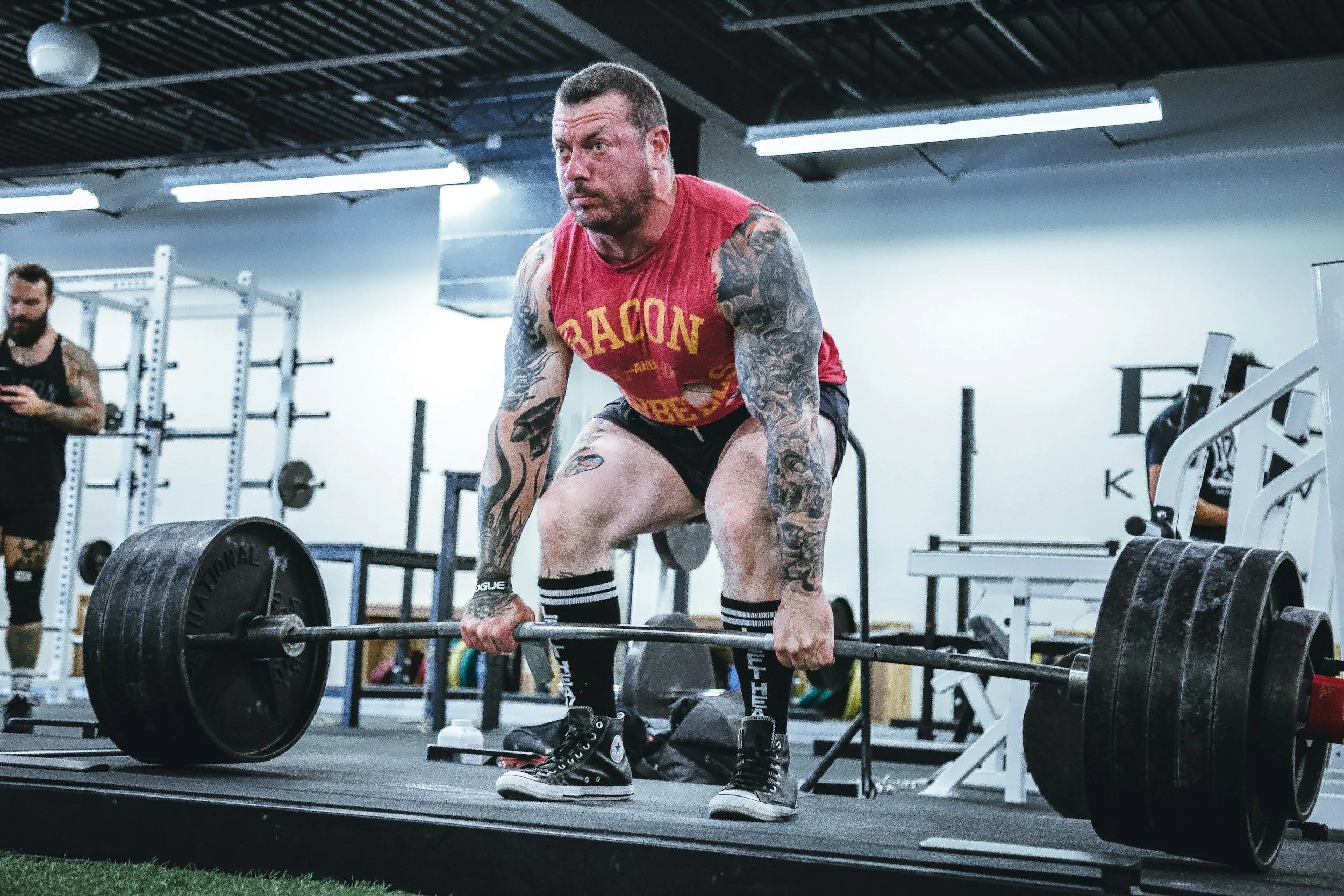
When working on main lifts (e.g., squats, deadlifts, bench pressing, etc.), we’re more likely to use heavier loads. Again, the degree of “heavy” (i.e., intensity) will depend on the overarching goal and where you are in your training cycle. Remember, “heavy” is always relative to you/your client.
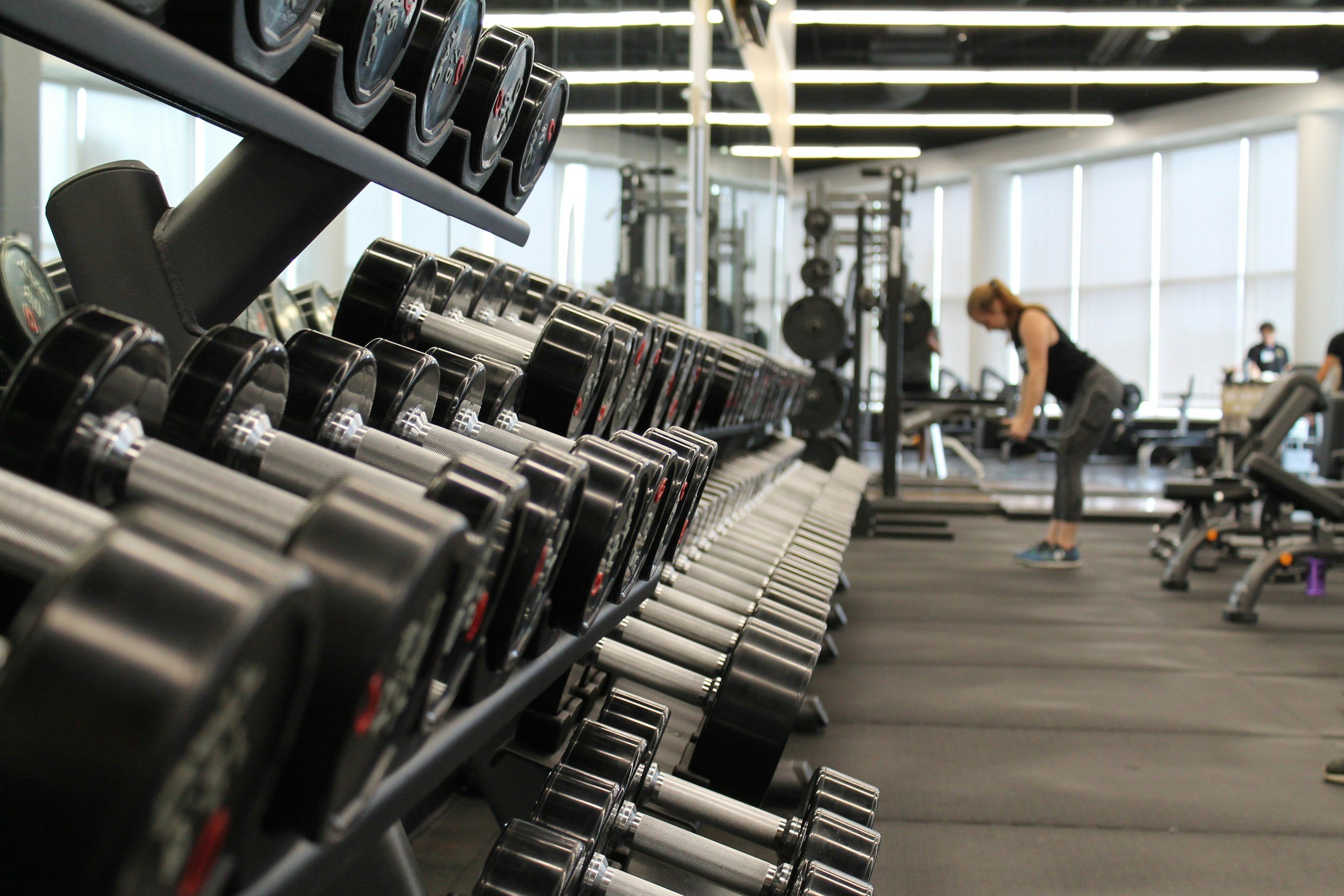
When we do accessory work, we’re usually not trying to use heavy loads. Most isolation exercises (think bicep curls, tricep work, etc.) will use lighter loads with higher reps. These movements typically involve smaller muscle groups and/or are focused on position, stability, or rhythm rather than pure strength.
We generally use free weights and cable machines for these and I’ve noticed that clients often want to add more weight than they should, especially on the cable machines. If you’re grinding through reps on the cables, it’s likely too heavy and you’re missing out on the intended benefits of the exercise. On the other hand, your main lifts are meant to be loaded up a bit more, once you have a solid understanding of the movement.
3. Movement speed:
In later phases of our programming, we begin to focus on power (depending on the client of course). Power training for us means moving faster and more explosively. In these phases, we use lighter weights than you would when building strength, so we’re not sacrificing speed. The goal is to move well and quickly.
The biggest mistake people usually make with this is using loads that are too heavy. Once your technique has broken down, you’re likely not working on power development anymore. You’ll generally want to choose a weight that’s light enough to “own” the movement, yet with enough resistance to provide some feedback.
4. Training age:
As I mentioned above, when we’re first teaching our clients the foundational movement patterns, we stick with higher reps and less load. This allows them to practice, feel, and learn the movement while confidently making adjustments without being limited by the weight in their hands.
There is a lot to consider and focus on when you first start training. You need to count your reps, feel the movement, breathe, learn how to use the equipment, and on and on. But once you become more familiar and proficient with the foundational movement patterns, we can start to decrease the reps and increase load.
At this point, our focus begins to shift more toward strength development rather than building volume and motor control. This comes with time, patience, and considering the individual you’re training—whether that’s yourself or a client.
Questions for you:
If you’re training yourself, try to pay more attention to what weights you’re using and when. Are you often using the same weights, regardless of how many reps you’re doing? If you’re trying to move a little faster, does the load align with the goal?
If you’re a coach, are you able to help your clients learn the skill of choosing a weight for when they train alone? If so, what’s your process for teaching them?
As always, I’d love to hear your thoughts. Feel free to email me at andrea@devilfishathletics.com.