

Short-term training goals: skills and habits
People often ask what we think they should focus on or what a “good goal” would be. While only you know what goals truly matter, there are some short-term goals and skills that I keep in mind when writing clients’ programs.
In my previous post, I talked about big-picture, or the over-arching goals that guide the type of training we do. Today’s post is about outlining short-term goals. These goals include skills I like to help clients build, training concepts to know, and behaviors that can become useful habits.
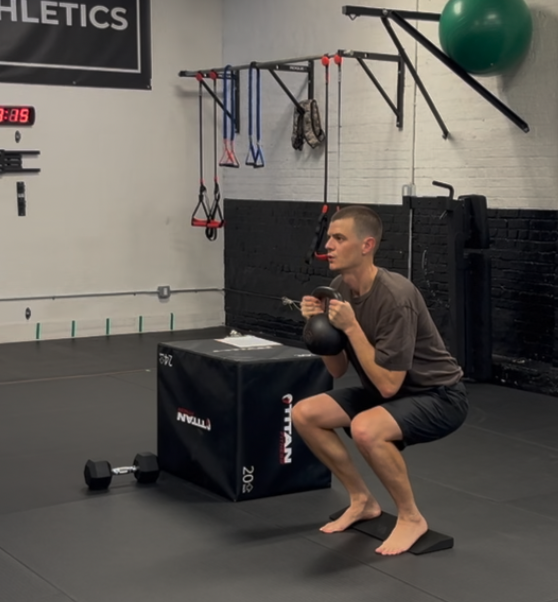
While I’ve broken these up into stages, there are a few caveats to keep in mind:
1. This is by no means a strict plan. Consider this a roadmap that will vary depending on training age (how much training someone has previously done), injuries or mobility restrictions, and life factors outside of the gym. In fact, many of these skills may be achieved out of order.
2. As training age and skill increase, so does your ability to listen to your body. Some days you won’t feel great and it’s important to recognize that. Knowing when to push through something and when to pull back is a skill. Unfortunately, we often only notice when we’re “wrong.” When we make the right decision, we probably forget and carry on with our day. The key is to pay attention to overall patterns and not beat yourself up when you make a mistake.
3. Progress is never linear. There will be times when everything is going smoothly and then something (injury, life, etc.) comes up. This brings us back to those big-picture goals I mentioned last time. Learning to adapt is one of the most important skills you can develop. All athletes face an obstacle at some point and this skill is what makes a habit resilient.

AI generated image: graph with jagged line
With that being said, let’s review how I like to introduce these skills and goals to our clients at Devilfish.
Stage 1:
Training skills:
How to read and use a program
Learn foundational movement patterns
Learn how to use the equipment needed for these movements
How to find and work at a pace that feels comfortable and doable. This includes learning how and when to rest.
Begin using training concepts like tempo, pausing, and AMRAP (as many reps as possible) sets when it makes sense to do so.
Learning how to create tension and stability with isometric movements
Build core and lower leg stability to improve balance and strength
Coordination practice, especially through crawling…everyone’s favorite, right?!
Behaviors and habits:
Build a training routine. Figure out what days and times work for you, how to work training into the rest of your life, and what frequency feels challenging yet manageable.
Begin practicing hydration and nutrition strategies that help you train and recover well.
Stage 2:
Training skills:
You’ll start to experience improved mobility, strength, and work capacity/endurance, which means we can begin increasing range of motion in your movements (e.g. deeper squats and pushups).
Greater focus on power development through plyometrics (e.g. med ball exercises, ladder drills, hopping)
Add more single-leg exercises and overhead movements
Learn to read and use your program to answer questions like: “How many reps should I do?” and “What weight was I using?”
Behaviors and habits:
Continue learning what hydration and nutrition practices work best for you by trial and error. You may notice that certain foods don’t sit well before training or that you need more time to digest.
You may also start to check in with your sleep habits. Are you able to wake up for your early morning session? Are you getting enough sleep throughout the week?
Your training routine probably starts to feel more like a habit or regular part of your weekly schedule.
Stage 3:
Training skills:
You’ve likely explored most of our movement library and worked with the majority of the equipment.
You may start to see more variety with movement speed. We may start moving faster and more explosively.
You’ll also begin to see more rotational movements as we explore different planes of motion.
You’re able to set up and break down equipment on your own for the most part. Whether this means adjusting the cable machines or breaking down the trap bar, you know how to handle your equipment independently.
Behaviors and habits:
You may feel ready to add more to your training. Whether that’s more cardio-based training, another strength day, or more recovery-focused work, you’ve created a habit you can build on.
Stage 4:
Training skills:
You’ll start seeing more challenging core and stability exercises, and plyometric exercises.
You’re able to use heavier loads for lower rep ranges. This demonstrates proficiency in basic movement patterns and awareness of when to add/reduce load.
You may start using additional tools for your single-leg exercises, like barbells and trap bars.
You feel confident walking into a hotel gym while traveling and completing a workout based on what you do in your sessions.
Behaviors and habits:
You’re familiar with many of the exercises in your program at this point. There will be variations of course, but you can usually recognize the exercise or movement pattern.
You’re able to make substitutions and modifications when needed. This ability allows you to continue building independence and confidence in your training decisions.
Learn to record notes for yourself, whether about how something felt, changing the load, or a helpful cue you want to remember.
Stage 5+:
Training skills:
Continue building on rotational skills, movement speed variations, and exercises requiring more movement skill (requiring more stability and body awareness).
Skill development continues through a deeper understanding of basic movement patterns.
You’re able to make adjustments to coaching cues more easily because you have a better understanding of what cues mean.
You’re able to walk into a hotel gym and put together a short workout on your own based on what you’ve learned.
Behaviors and habits:
(Note: At this point, training skills and habits begin to overlap more.)
You’re able to choose loads more confidently.
You know how to warm up properly and prepare for training.
You know when it makes sense to scale back.
Your training habit has likely been tested by life circumstances by now. Working through things like illness, personal matters, injuries, and/or other life stressors means you’ve created a resilient habit. This is the key to “longevity” and a sustainable training practice.
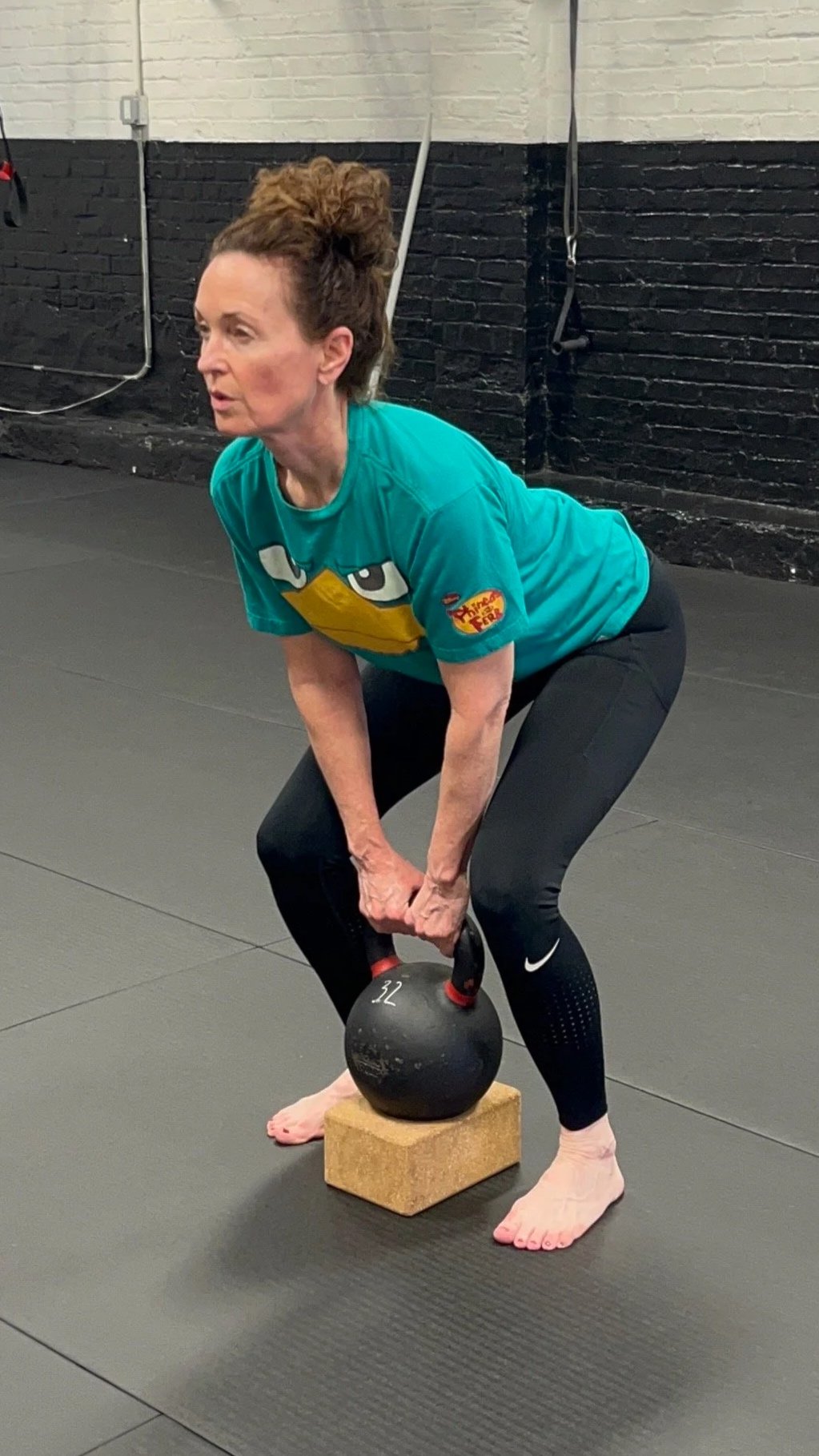
As I mentioned, I’ve separated these goals into stages. But the truth is that we’re always continuing to learn and refine these skills, often simultaneously. That’s what makes training a lifelong endeavor. So, as they say, “sit back and enjoy the ride.”
If you’d like to share your thoughts on your own training or how you think about this with your own clients, please email me through the button below.