

Rest and recovery
What's the difference and how much do you need?
The terms rest and recovery are often used interchangeably when referring to off-days or lighter days of training. While these terms are related, not all rest and recovery is created equal. So, how are they different, and how much of each is optimal?
First, we’ll start out with defining these terms. Let’s define rest as a period of inactivity. You can have rest within a workout, rest built into your day, and rest when you sleep at night. Regardless of the type, it’s meant to give your mind and body a break from a stressor to aid in recovery.

Recovery is your body’s ability to restore itself after a stressor, like exercise. Our bodies have a natural repair process, which can be aided through proper nutrition, hydration, and sleep. Adding active and/or passive recovery practices can help improve your body’s ability to heal more efficiently. There are two primary types of recovery:
1.) Active recovery, which includes low-impact activities that increase blood flow. These activities should feel good and be both mentally and physically easy. This is a chance to give your body and mind a break from the intensity of training. A few common types of active recovery are:
Low-intensity aerobic training (e.g., walking, cycling, easy jogging or swimming, etc.)
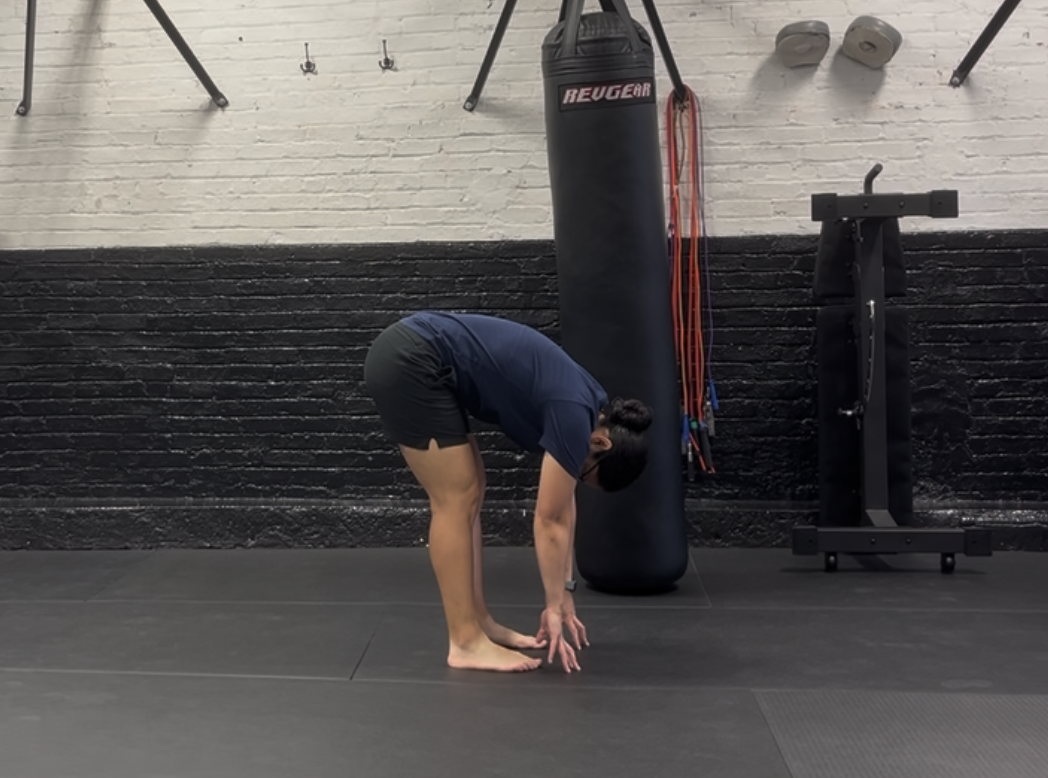
Stretching (e.g., yoga, mobility exercises)
Low-intensity strength training (e.g., lifting light weights with smooth, relaxed movement and minimal tension)
2.) Passive recovery consists of activities where you’re not exerting yourself and may not be moving at all. This includes things like a hot bath, massage, compression garments or percussive tools (like a massage gun), or taking a nap. While this may sound similar to the definition of rest, that’s because it is. Rest falls under the umbrella of passive recovery.

What about unplanned rest?
Rest and recovery are beneficial (and necessary) for a consistent training practice, but they aren’t he same as unintentionally stepping away from training altogether. Unplanned time off is called detraining. When we stop training, muscular endurance starts to decrease after about two weeks. Skills and new techniques can also become rusty after time off, but they are the first things to return with practice. There will be times when training becomes hard to prioritize, like the holiday season, but if you’re able to keep even a small version of the routine you’ve developed, it helps maintain the foundation of endurance, strength, and skill you’ve built.
Which form of recovery is best?
This depends on your preferences, the intensity of your training, and your other life stressors. The form of recovery that’s probably best for you is often the one you prefer the least. If you’re someone who prefers yoga and stretching, it may be more beneficial to go for a long walk or do some light strength training. If you’d rather do more light strength training over some mobility or stretching (that’s me), well, you know which one you probably need more.
How much recovery do you need?
This will also depend on how hard you’re pushing, both inside and outside of the gym. You can think of this as balancing scales: if you add more to your training, whether that’s frequency, intensity, or duration, you’ll need to add more to your recovery practice. If you’re dealing with a big life event that’s more taxing than the day-to-day stress we face, the concept is the same. Stress is stress!
What’s right for you?
The scientific evidence on recovery is inconclusive since this is a difficult variable to measure. The best way to figure out what works for you is to do your own experiment. Pay attention to how you feel after a day of sitting on the couch or lounging around your apartment. While this may feel restorative for some people, it may leave others feeling stiff or in pain. Try to notice patterns in your nutrition, hydration, and sleep. While we know these things are supposed to make a difference, it’s easy to doubt until we feel the positive (or negative) effects for ourselves.
Final thoughts
Adding a whole new practice can be a lot, unless it’s something that you really enjoy. But if you could use some added recovery, try putting some foam rolling to your warmup, or some breathing to your cool down. Stacking a new habit onto an existing one is an easier way to get started.
What are your favorite ways to recover? Do you have any recovery tools or practices that you use?