

What makes a great client?
If you’re a coach, you know there are certain clients who get results more easily than others. They seem to have an easier time staying on track and focused on what they set out to do. What is it that sets these people apart from those who struggle?
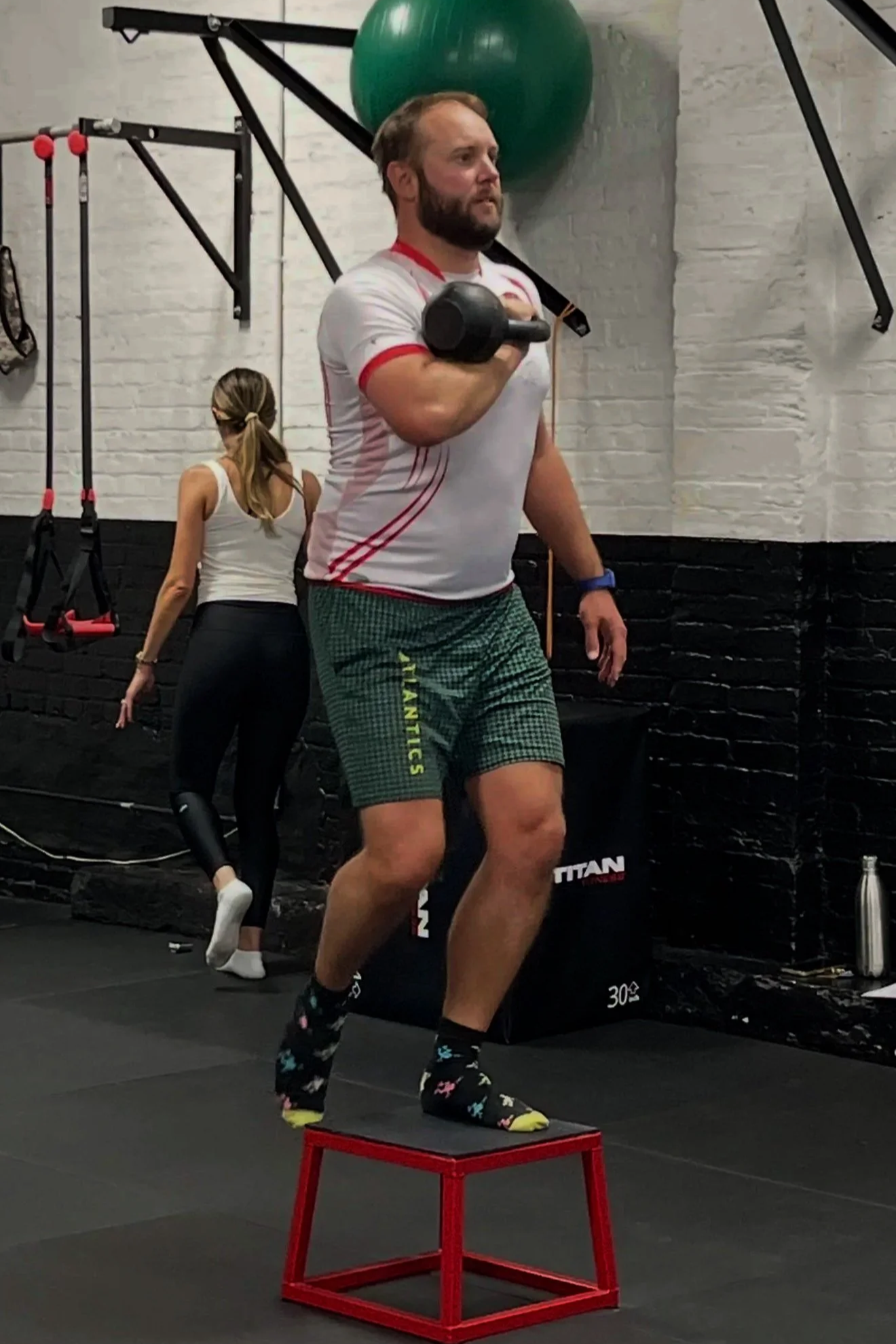
1. They want to be coached.
Clients who enjoy being coached are generally open to learning and trying new things. Maybe they’re willing to workshop a different variation of the same movement pattern, or try a drill to learn a new skill. They hear coaching as encouragement rather than criticism.
How can you encourage this as a coach?
Start by focusing on what they’re doing well. Building rapport and trust helps them understand that you’re on their team and that you’re not there to belittle them. Many people expect to be criticized because of past coaching experiences. It’s our job to teach these clients that coaching is about building them up, not breaking them down. The goal is to help them receive feedback as support, not judgement.

2. They care about their training.
Clients who care about their training are more likely to show up to their sessions and stay consistent. They usually have some kind of goal (whether short-term or long-term), which helps them plan, stay on track, and navigate their way through obstacles.
How can you encourage this as a coach?
When clients struggle to stay consistent, don’t assume it’s because they don’t care. Anyone who asks for help does care in some way. When a client starts to fall off track, it’s usually a sign to check in and see what’s going on.

3. They show up with a positive attitude.
Clients who can leave the weight of their day at the door generally have a more positive training experience, which makes it more likely that they’ll keep showing up. This doesn’t mean they can’t have a bad day. It’s about a willingness to focus on the task at hand.
How can you encourage this as a coach?
Developing a positive attitude is often about focus. It means directing someone’s attention to training rather than whatever else is on their mind. This a skill that needs to be practiced. One way to encourage this is to check in with your client. If they’re having a rough day or week, perhaps their session needs to be less skill-driven and more about simple movements and staying active.

4. They keep a beginner’s mindset.
Clients with a beginner’s mindset tend to be less judgmental of themselves, more patient, and have more fun. This also helps to support a positive attitude and a willingness to try things—and fail. It also helps people stay focused on the process rather than the outcome.
How can you encourage this as a coach?
When clients are very critical of themselves or are hesitant to try new things, it helps to set them up for success. When we set the bar too high, it’s easy for people to feel disappointed or like they should already be able to do X, Y, or Z. Giving them tasks a notch or two below their current capability builds confidence and makes them willing to try something more challenging.
It also helps to praise the effort, not the outcome. In other words, don’t only give praise when they do something “correctly.” Instead, praise them for trying and tell them what they did well.
Closing thoughts
As you can probably imagine, many of the traits that make a great client are the same ones that make a great coach. But more on that next time.
Questions for clients:
What do you do when you’re struggling to stay focused during training?
When you’re struggling with something, what do you find most helpful from yourself or a coach?
Questions for coaches:
When clients are struggling to stay focused during training, what do you do to help them?
What traits do you think help your clients stay on track with their training?